
Specialized Transport for Classic and Collector Vehicles
Classic Car Shipping for Vehicles Worth Preserving
Classic car shipping should begin with the vehicle, not a standard transport template. Capstone reviews its condition, ground clearance, modifications, route and pickup access before coordinating the move. We connect you with an authorized and insured independent carrier. We keep the pickup and delivery details organized from start to finish.
What Makes Classic Car Shipping Different?
A classic vehicle may have original paint, restored parts, a custom suspension or features that are difficult to replace. Those details can affect the trailer, loading method and handoff plan. Capstone asks the right questions early so the assigned carrier understands the vehicle before arriving for pickup.
Vehicle Condition
Tell us whether the vehicle starts, rolls, steers and brakes. An inoperable classic car may need a winch or other loading equipment. We also need to know about fluid leaks, weak batteries or mechanical issues that could affect loading.
Ground Clearance and Loading Needs
Low bumpers, side pipes, spoilers and long overhangs can change the loading angle a vehicle can safely handle. Share the approximate ground clearance and any concerns before booking. Capstone can then look for a carrier with suitable ramps or loading equipment.
Original Features and Modifications
Describe any custom wheels, lowered suspension, removable accessories or restored exterior pieces. Secure loose parts before pickup and tell us about anything the driver should avoid touching. Clear information helps the carrier plan the loading and tie-down process around the actual vehicle.
Pickup and Delivery Access
Large transport trucks need safe, legal access and enough room to turn, load and leave. Gated communities, narrow streets, low branches and local restrictions may prevent the carrier from reaching an address. When access is limited, the driver can coordinate a nearby meeting point with you.
Choose How Your Classic Car Travels
The right transport option depends on the vehicle, route, budget and level of exposure you are comfortable with. Capstone explains the available choices without assuming that every classic car needs the same service.
Open Auto Transport
Open auto transport is widely available and generally costs less than enclosed service. Owners often choose this option for project cars or vehicles traveling to a restoration shop. The vehicle remains exposed to normal weather and road conditions.
The carrier secures the vehicle on an open trailer with other vehicles. Capstone reviews the car’s condition, clearance and loading needs before coordinating every open transport shipment.
Enclosed Auto Transport
Enclosed auto transport keeps the vehicle inside a covered trailer during the trip. The trailer adds protection from normal weather and road debris. Many owners choose this option for restored, antique, collector, rare or high-value vehicles.
Enclosed carriers may also offer equipment that works well for low-clearance vehicles, but equipment varies by carrier. Tell Capstone what the vehicle needs so we can confirm the loading arrangement before pickup. Enclosed service usually costs more and may have fewer carriers available on some routes.
How Classic Car Shipping Works for Different Moves
Owners use classic auto transport for more than household relocations. A vehicle may need to travel after a sale, between collection locations, to a specialist or to an event. Capstone builds the transport plan around the move taking place now.
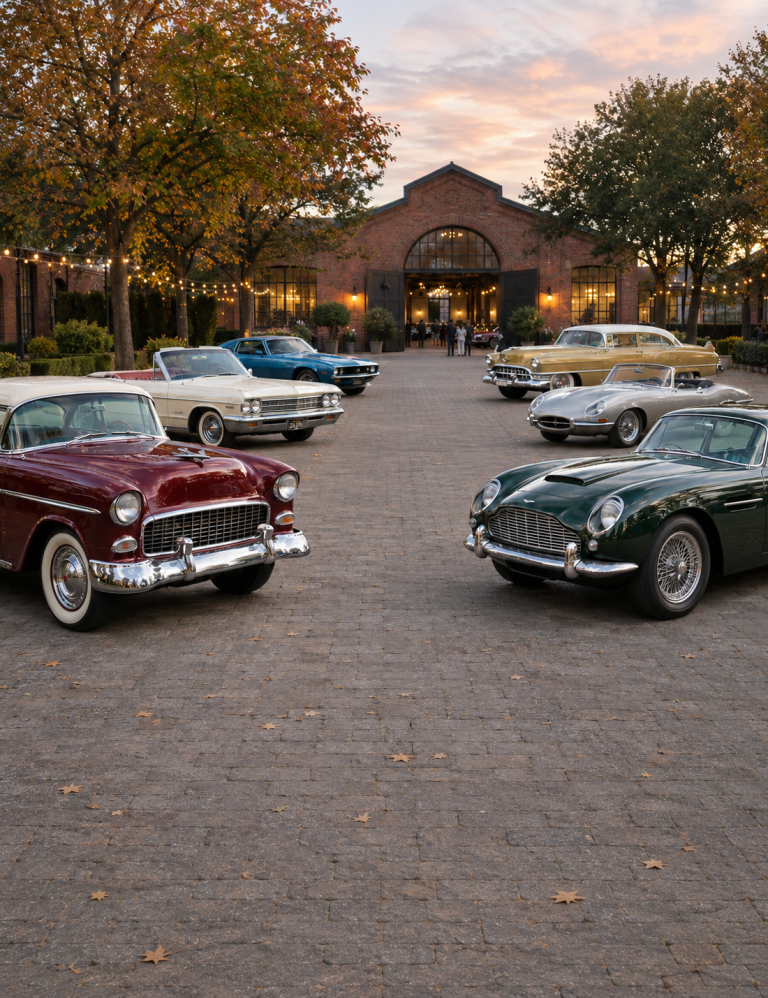
Buying, Selling or Relocating a Classic Car
Capstone can coordinate pickup from a private seller, dealership, auction house, storage facility or residence. This allows the vehicle to move without adding a long drive or unnecessary mileage. When another person releases the car, share that person’s name and phone number before pickup.
Confirm that the payment, title work and vehicle release requirements are complete before the carrier arrives. Capstone coordinates the transport, but the buyer and seller remain responsible for the sale and ownership documents.
Shows, Auctions and Restoration Visits
A show, auction or restoration appointment may involve fixed check-in hours and specific loading access. Share those details as early as possible. Capstone will review the requested pickup window with carriers serving the route.<br> Capstone and the assigned carrier provide estimated transport dates until they confirm the schedule. If your vehicle needs to reach an event by a certain day, tell Capstone in advance. We can usually coordinate the transport around your event schedule.The Classic Car Shipping Process
Once you are ready to move the vehicle, Capstone follows a clear four-step process. We review the car, route, timing and loading needs before coordinating an authorized and insured independent carrier.
1. Share Your Vehicle and Route
Provide the pickup and delivery locations, preferred pickup date and vehicle details. Tell us whether the car runs and identify any low clearance, modifications, loose parts or access limits. Photos can help clarify features that may affect loading.
2. Review the Transport Options
Capstone reviews the route and vehicle with available carriers. We explain the proposed transport method, pickup window and carrier rate before you approve the shipment. You can compare open and enclosed service based on the vehicle and your priorities.
3. Coordinate the Carrier and Pickup
After approval, Capstone coordinates an authorized and insured independent carrier. Before pickup, we share the available carrier information, estimated timing and handoff details. You also confirm who will meet the driver and provide the keys.
4. Inspect, Transport and Deliver
At pickup, you and the driver review the vehicle and record its condition on the inspection report. The assigned carrier then loads and transports the car along the planned route. At delivery, inspect the vehicle again before signing the final paperwork.
How Much Does Classic Car Shipping Cost?
Classic car shipping does not have one standard price. The carrier rate reflects the route, vehicle, transport choice, loading needs, timing and access at both locations. Capstone reviews those details and presents the proposed rate before you confirm the move.
Distance and Route
Total mileage matters, but the route also affects pricing. Popular interstate lanes may have more carrier activity than rural or less-traveled areas. Pickup and delivery locations away from a major route may require additional time or coordination.
Vehicle Size and Condition
Longer, wider or heavier vehicles use more trailer space. An inoperable car may require a carrier with a winch and suitable loading equipment. Accurate dimensions and condition details help avoid changes when the carrier arrives.
Loading and Handling Needs
Low ground clearance, nonstandard dimensions and delicate exterior features may require longer ramps or a different trailer setup. These needs can affect which carriers can accept the shipment and the rate they offer.
Timing and Carrier Availability
Your preferred pickup window and the number of suitable carriers serving the route can influence the rate. Seasonal demand, major events and short notice may also affect availability. Earlier planning gives Capstone more time to coordinate around your schedule, but it does not guarantee a specific date.
The Capstone Approach to Classic Car Shipping
A classic vehicle deserves a transport plan based on clear facts, not assumptions. Capstone keeps the vehicle information, carrier arrangement and handoff details connected throughout the shipment.
Planning Built Around the Vehicle
We review the car’s condition, dimensions, clearance, modifications and route before moving forward. This information helps us discuss the shipment accurately with carriers and identify suitable transport options.
Transport Options Explained Clearly
Capstone explains what open and enclosed transport provide, what they do not provide and how each option may affect the carrier rate. You choose the service that fits the vehicle and your priorities.
Carrier and Pickup Details Confirmed
Capstone coordinates an authorized and insured independent carrier for the shipment. Before pickup, we share the available carrier information, estimated timing and meeting details so you know what to expect.
Connected From Pickup Through Delivery
We keep you connected with the assigned carrier and help provide available updates during the move. If a route, timing or access issue affects the plan, Capstone helps coordinate the next step with the people involved.
FREQUENT QUESTIONS
Frequently Asked Questions About Classic Car Shipping
The carrier rate depends on distance, route, vehicle size and condition, transport choice, loading needs, timing and access. Enclosed transport usually costs more than open transport. Request a quote with current shipment details for the most relevant rate.
Enclosed transport may suit a restored, antique, rare, high-value or carefully maintained vehicle. It adds protection from normal weather and road debris. Open transport may still work for a project car or an owner who prefers a more affordable option.
Yes, when a suitable carrier and loading equipment are available. Tell Capstone whether the vehicle can roll, steer and brake. Also mention fluid leaks or locked wheels before pickup.
Often, yes. The carrier needs the right ramp angle and loading setup for the vehicle. Share the approximate ground clearance, overhangs and any lowered suspension so Capstone can confirm the arrangement before pickup.
Arrange transport as early as practical, especially for enclosed service, events or less-traveled routes. Earlier notice gives Capstone more time to review suitable carriers. Short-notice pickup may still be possible when a qualified carrier serves the route.
Yes. Capstone can coordinate pickup from an auction, dealership, private seller or storage facility. Confirm the release requirements, contact person, operating hours and payment or title work before the carrier arrives.
The assigned carrier provides cargo coverage while transporting the vehicle. Policy limits, deductibles, exclusions and claim requirements vary by carrier. Capstone reviews the carrier’s operating authority and insurance information before pickup. You should also review the coverage details that apply to your shipment.
Not unless Capstone and the assigned carrier specifically confirm a guaranteed arrangement. Capstone and the assigned carrier guarantee dates only after confirming a specific arrangement. Until then, we provide estimated pickup and delivery dates.
Yes. An authorized adult can meet the driver, review the vehicle and sign the transport paperwork. Send Capstone that person’s name and phone number before the pickup or delivery handoff.
Remove valuables and loose accessories. Check for leaks, secure the battery and leave enough fuel for loading and unloading. Take clear photos and tell Capstone about any special starting instructions, battery switches, alarm systems or mechanical concerns.
Ready to Arrange Classic Car Shipping?
Tell Capstone where the vehicle is, where it needs to go and what makes it different. We will review the route, condition, transport choice and loading needs before coordinating the carrier and pickup details.