Nationwide Heavy Equipment Transportation Service
Heavy Equipment Transport Built for the Job
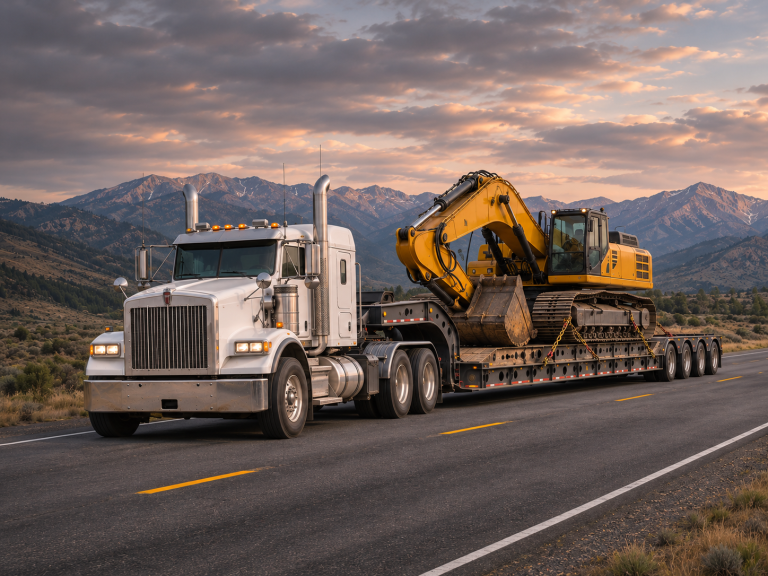
Moving machinery between job sites, auctions, dealerships or storage yards? Capstone coordinates nationwide heavy equipment transport around the machine, trailer requirements and journey ahead.
Planning Heavy Equipment Transport
Moving a boat takes more planning than shipping a standard vehicle. Its dimensions, trailer setup and current condition help determine how it should travel. Clear details help Capstone coordinate a boat transport option suited to the move.
Equipment Dimensions
The machine’s total length, width and height help determine the trailer and transport setup it may need.
Operating Weight
The equipment’s operating weight, including its attachments, helps shape the trailer and loading plan.
Running Condition
Tell us whether the machine starts, moves, steers and brakes or needs help during loading.
Attachments and Modifications
Buckets, blades, booms, forks, oversized tires and other changes may affect how the equipment travels.
Equipment We Transport
Different jobs depend on different machines. Capstone coordinates heavy equipment shipping for construction, agricultural and industrial machinery based on its specifications and transport needs.
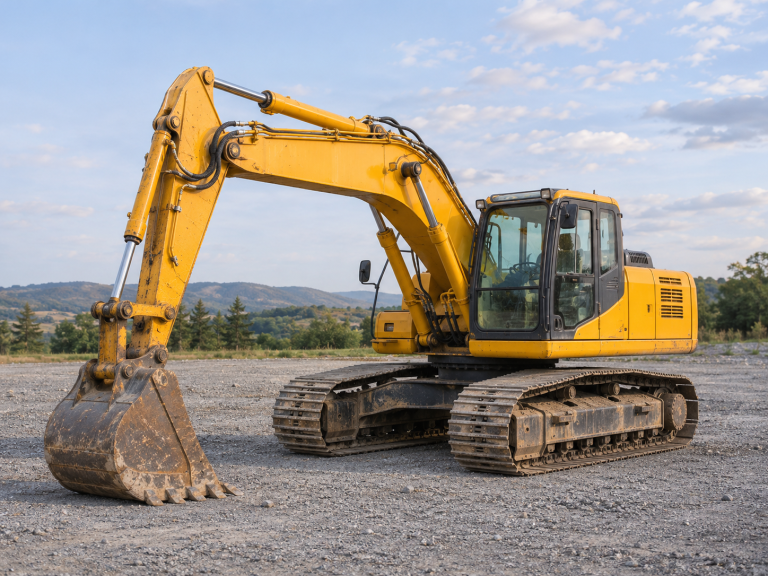
Excavators
Excavator transport depends on the machine’s size, operating weight, tracks and attached bucket or arm.
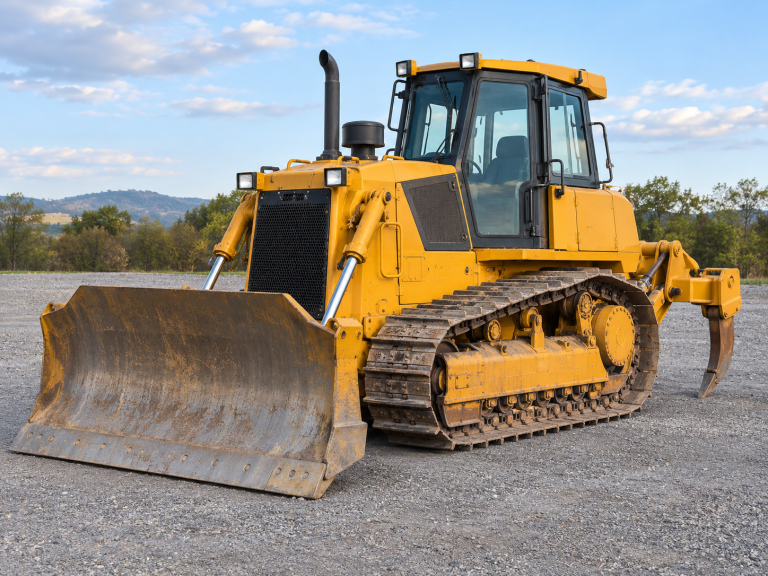
Bulldozers
A bulldozer’s weight, blade width and transport dimensions help determine the suitable trailer setup.
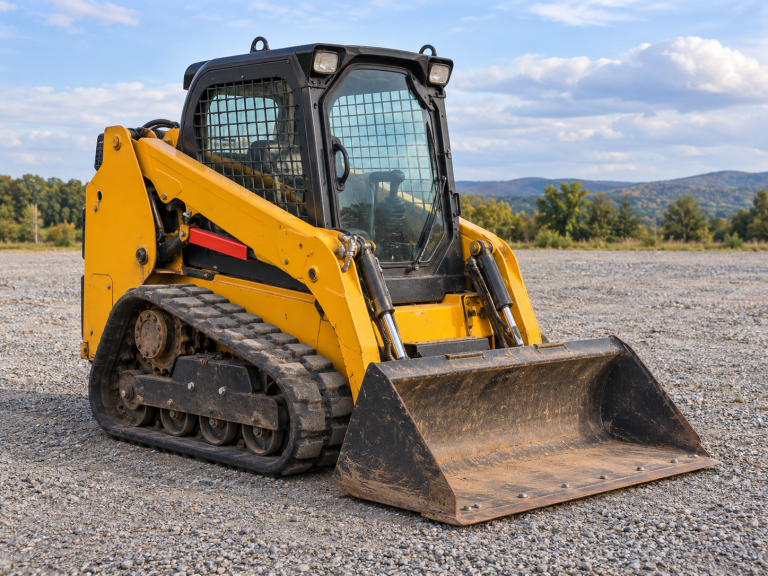
Skid Steers
Skid steers may be compact, but their weight, attachments and operating condition still matter when planning transport.
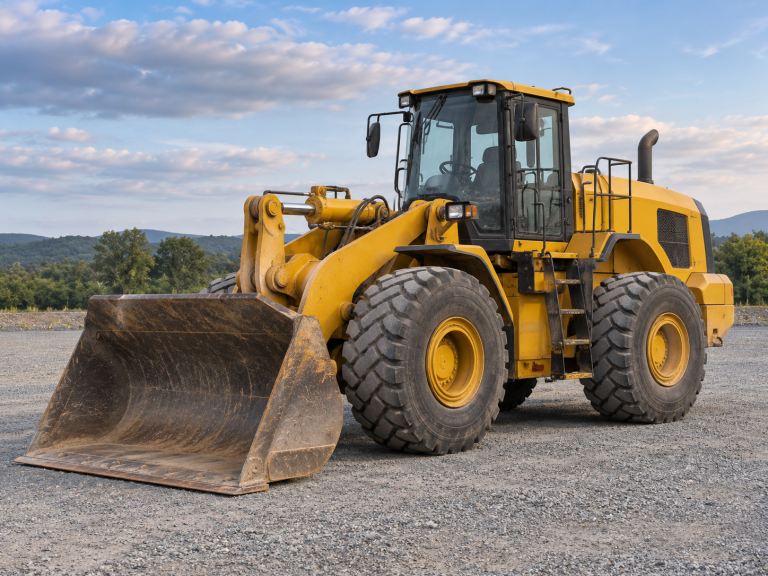
Wheel Loaders
The loader’s height, width, weight and attached bucket help shape the transport plan.
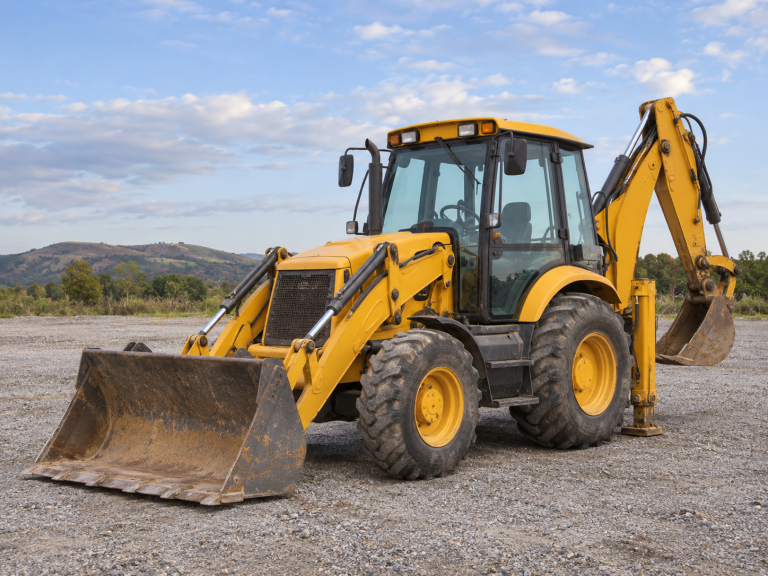
Backhoes
Backhoe transport requires accurate dimensions with the boom, bucket and other attachments in their travel positions.
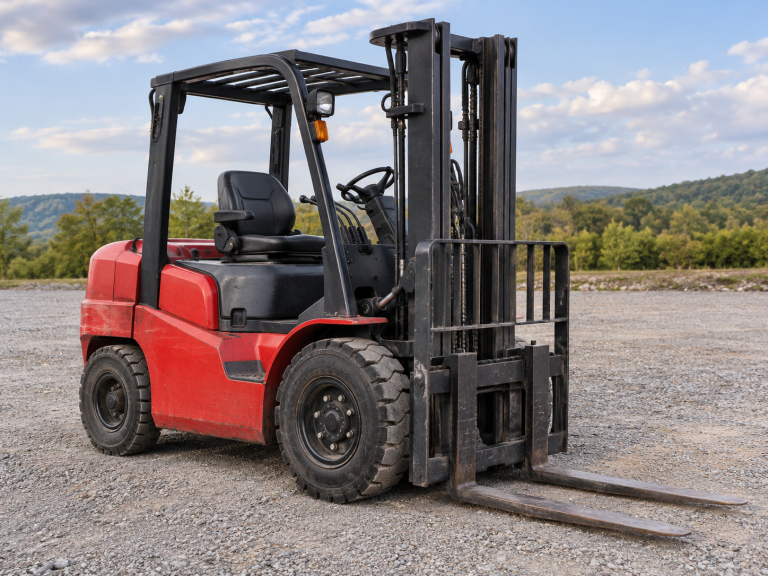
Forklifts
Forklift weight, mast height and operating condition help determine how the machine can be loaded and transported.
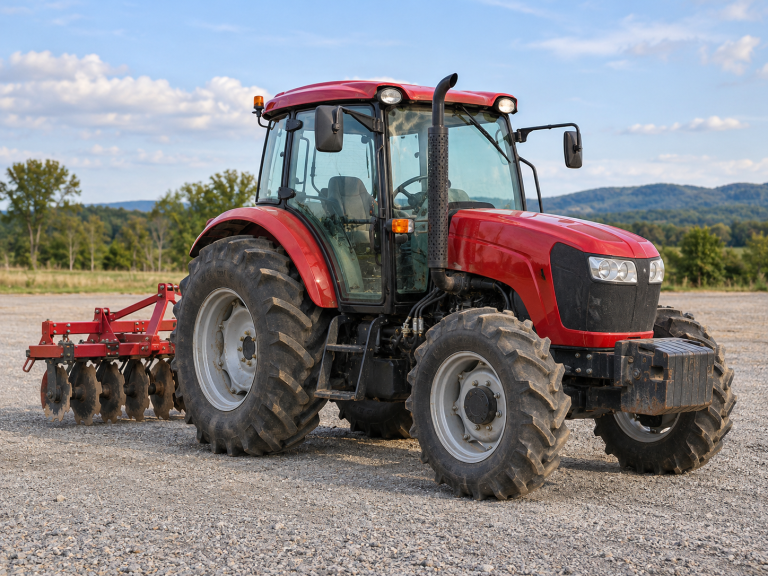
Tractors and Farm Equipment
Capstone can coordinate transport for tractors and other farm machinery based on their size, tires and attached equipment.
Other Heavy Machinery
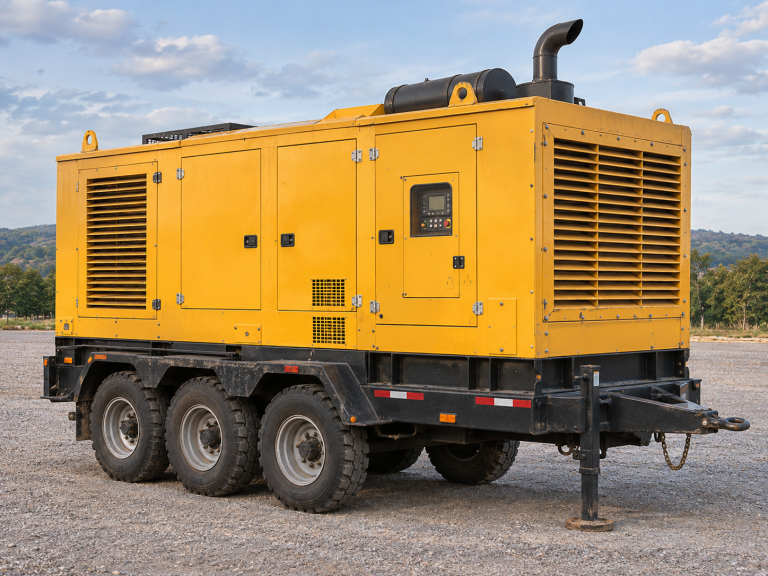
Graders, rollers, pavers and other machinery may also be transported. Share the machine specifications so Capstone can review the available options.
How Heavy Equipment Transport Works
From the first quote to delivery, each step begins with the machine and what it needs to travel.

1. Request a Transport Quote
Share the basic information about your machine and where it needs to go. Capstone reviews the move and prepares pricing based on the shipment.

2. Review the Trailer Plan
Capstone uses the machine specifications to review suitable trailer options. Depending on the load, this may include a flatbed, step deck, RGN or lowboy trailer.

3. Coordinate a Licensed Transport Provider
Capstone coordinates a licensed and insured transport provider based on the equipment, trailer plan and shipment needs

4. Pickup and Delivery
At pickup, the provider follows the agreed loading plan and secures the equipment for transport. The provider then moves it to the delivery location for the final handoff.
Preparing Equipment for Transport
A little planning before pickup can help make the handoff smoother. The preparation steps will depend on the machine, trailer and loading plan.
Confirm the Specifications
Use the machine’s transport dimensions and operating weight, including any attachments that will travel with it.
Share How It Loads
Let Capstone know whether the machine starts, moves, steers and brakes or needs another loading arrangement.
Secure Loose Parts
Loose tools, removable attachments and unsecured parts may need attention before the transport provider arrives.
Heavy Equipment Transport Cost
Every machine brings different needs to the road, so a standard price rarely tells the full story. Capstone reviews the actual move and prepares a quote around what the equipment requires.
Equipment Size and Weight
Larger or heavier machinery may require more trailer space, additional axles or a different transport setup.
Distance and Locations
The distance between pickup and delivery, along with the locations involved, can influence the final rate.
Trailer Requirements
Flatbeds, step decks, RGNs and lowboys have different capabilities and costs. The machine helps determine which option may fit the move.
Loading Needs
A machine that cannot load under its own power may require additional equipment or arrangements at pickup and delivery.
Permits and Escorts
Oversized or overweight loads may require permits, route planning or escort vehicles, which can add to the shipping cost
Timing and Availability
Busy seasons or a short pickup timeline may limit scheduling choices and influence the rate.
Why Choose Capstone for Heavy Equipment Transport?
Heavy equipment transport begins with accurate specifications and careful planning. Capstone brings the machine details, trailer plan and transport provider together before pickup.
Planning Starts With Real Specifications
We look beyond the model name and plan around the machine’s actual dimensions, weight and condition.
A Trailer Suited to the Load
Capstone uses the equipment details to coordinate a trailer option that fits the needs of the move.
Licensed and Insured Providers
We coordinate heavy machinery transport with licensed and insured providers selected for the shipment.
Clear From Pickup to Delivery
Capstone confirms the important details before pickup and stays connected with you and the provider through delivery.
FREQUENT QUESTIONS
Frequently Asked Questions About Boat Transport
The cost depends on the machine’s dimensions, weight, condition and transport distance. Trailer type, loading needs, permits, escorts, timing and transport availability may also affect the final rate.
Capstone can coordinate transport for excavators, bulldozers, skid steers, wheel loaders, backhoes, forklifts, tractors and other machinery. The available option depends on the machine and shipment details.
The machine’s height, width, length, weight and loading needs help determine the trailer. Capstone may review flatbed, step deck, RGN or lowboy options based on the equipment.
Yes. Capstone can coordinate transport for equipment that does not operate. The provider may use a winch, crane or another loading method based on its condition. Tell us whether the machine starts, moves, steers and brakes so we can plan the pickup properly.
A load may require permits if its loaded dimensions or weight exceed legal limits. Requirements vary by state and may also include route restrictions or escort vehicles.
Yes. The assigned transport provider carries insurance for the service. Capstone reviews the provider’s operating authority and insurance information before transport begins.
Transport time depends on the distance, equipment size, trailer type and provider schedule. Permits, route restrictions, weather and road conditions may also affect the estimated timeline.
Share the equipment type, make and model, dimensions, operating weight and condition. Include the pickup and delivery locations, preferred date, attachments and any loading details.
Yes. Capstone can coordinate pickup from auctions, dealerships, job sites and storage yards. Provide the release information, location contact and any pickup requirements before transport.
Ready to Move Your Equipment?
Your machine has work waiting at the other end. Share the details with Capstone, and we’ll help bring the heavy equipment transport plan together.